Beyond Subscriptions: Why Digital Products are the Future of Creator Monetization
Subscription fatigue is real. Discover why offering digital products (ebooks, templates, courses) alongside a paid newsletter is the most sustainable creator monetization model for 2026.

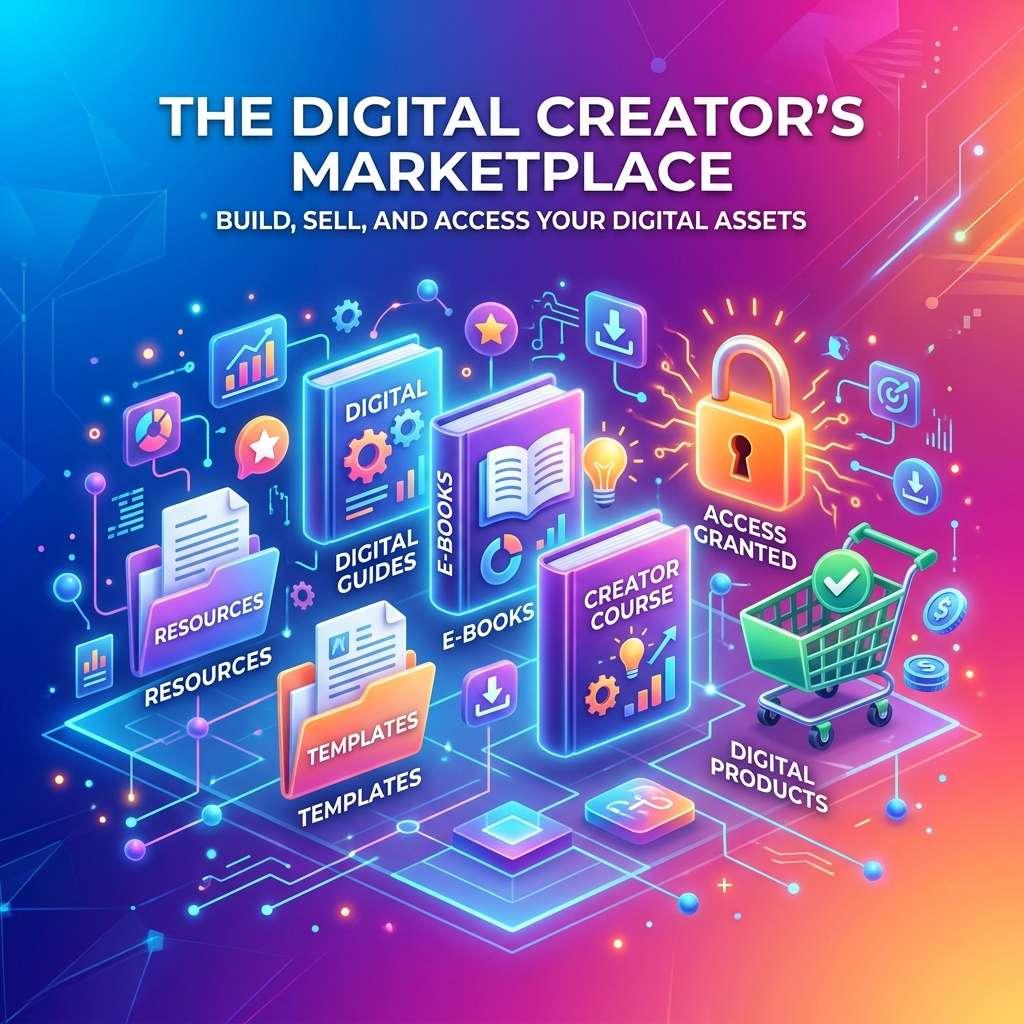
For the past half-decade, the creator economy has been obsessed with one word: Subscriptions.
Platforms like Substack and Patreon popularized the idea of recurring revenue. "Get 1,000 true fans paying you $5 a month, and you make a full-time living!" It sounds like a dream. Predictable income, monthly stability, and a deep connection with your audience.
But as we settle into 2026, a crack is showing in this utopian vision. Creators are exhausting themselves on an endless content treadmill, and audiences are experiencing profound subscription fatigue.
If you rely entirely on an $8/month paid newsletter to survive, you are playing a dangerous game. The future of sustainable creator monetization isn't abandoning subscriptions—it's diversifying with Digital Products.
The Hard Truth About Paid Subscriptions
Let's address the elephant in the room. Running a paid subscription model is incredibly demanding.
1. The Churn Rate Reality
When a subscriber cancels building up a paid newsletter subscriber base is grueling. Worse, the churn rate (the percentage of people who cancel each month) is relentless. To simply maintain your income, you have to constantly acquire new subscribers just to outpace those who leave. You are renting access to your content, month by month.
2. The Content Treadmill
A paid newsletter demands a rigorous, unyielding publishing schedule. If you get sick, take a vacation, or simply run out of profound insights for two weeks, your subscribers will rightfully wonder what they are paying for.
This pressure is the leading cause of creator burnout. The model incentivizes quantity and frequency over depth and lasting value.
3. Subscription Fatigue
From Netflix to Spotify, consumers are drowning in recurring expenses. Adding another $10/month charge for an indie newsletter is a hard sell in a crowded market. Many readers who genuinely love your work will inevitably tighten their belts and hit "unsubscribe."
Why Digital Products Change the Game
Digital products are distinct from subscriptions because they involve a singular, transactional exchange of value. You build a product once, and you sell it indefinitely.
These products include:
- Ebooks and Deep-Dive Guides: A comprehensive, 10,000-word manual on a specific topic.
- Templates and Workspaces: Notion dashboards, financial spreadsheets, or email sequence templates.
- Video Courses and Masterclasses: Step-by-step educational content.
- Exclusive Community Access: While similar to a subscription, lifetime access to a Discord or Slack group can be sold as a distinct product.
Here is why digital products represent the future of sustainable income:
1. High Lifetime Value, Low Maintenance
A well-crafted Notion template on "Freelance Project Management" might take you 20 hours to build. Once it is optimized and placed on your site, it costs nothing to duplicate.
If you sell it for $49, a single sale equals six months of revenue from an $8/month subscriber. And the best part? The customer gets immediate, transformative value without the long-term commitment, and you don’t have an ongoing obligation to produce a new template every Tuesday.
2. Capturing Different Customer Personas
Your audience is not a monolith.
Some readers want continuous insight and are happy to pay $5/month. But a entirely different segment might have an immediate, burning problem they need solved right now. They don't want a 12-month drip campaign; they want to pay $150 for an intensive 2-hour masterclass.
If you only offer a subscription, you are leaving money on the table from the "high-intent" buyer persona.
3. The Ultimate Lead Generation
Ironically, digital products are the best way to supercharge your email list. Offering a low-ticket product (e.g., a $9 cheat sheet) is an incredible tool for classifying your audience. A buyer—even at $9—is exponentially more valuable than a free subscriber.
Once they purchase a digital product, they have demonstrated trust. They are now your warmest leads for future, higher-ticket offerings.
The Hybrid Model: The 2026 Playbook
The most successful creators aren't choosing between subscriptions and digital products; they are doing both. This is the Hybrid Monetization Model.
- The Free Newsletter (The Funnel): Use high-quality free content to build trust and authority. Optimize it for SEO and Generative Engine Optimization to ensure discoverability.
- The Digital Storefront (Transactional Value): Offer templates, courses, and guides for immediate purchase. This provides bulk cash flow and solves immediate pain points without ongoing obligations.
- The VIP Subscription (Recurring Revenue): Offer a premium, recurring subscription strictly for your most dedicated fans—perhaps offering community access, monthly Q&As, or early access to your digital products.
Owning Your Revenue
The challenge of the Hybrid Model has historically been the tech stack. You needed Substack for emails, Gumroad for products, generic web hosting for your blog, and Zapier to duct-tape it all together.
This fragmentation is why we built Postion.
Postion is designed as an all-in-one ecosystem for creators. You have a beautiful, SEO-optimized blog to capture traffic. You have an integrated newsletter system to build your MVA. And crucially, you can natively sell digital products, subscriptions, or both, entirely under your own domain.
Stop running on the content treadmill. Build a product once, sell it forever, and build a resilient creator business that doesn't burn you out.
Topic Hub
Explore the Creator Monetization Hub
This article is part of a larger cluster. Use the hub page to move between the pillar guide and the supporting articles that reinforce the same topic.
Keep Exploring
Related Reads
More posts connected to this topic cluster and reading path.
Best BuyMeACoffee Alternatives: Top Ways to Accept Donations in 2026
Discover the best BuyMeACoffee alternatives for accepting donations and tips. Compare Ko-fi vs Fourthwall vs Postion to find the best creator platform for your business.
How to Build Passive Income as a Content Creator (7 Proven Strategies)
Discover 7 proven strategies for building passive income as a content creator. From membership sites to digital products, learn how to monetize your content for sustainable recurring revenue.
What is the Best Platform for Content Creators in 2026?
What is the best platform for content creators? We cut through the noise and give you a definitive 3-point framework for choosing a platform that supports ownership, monetization, and long-term growth.